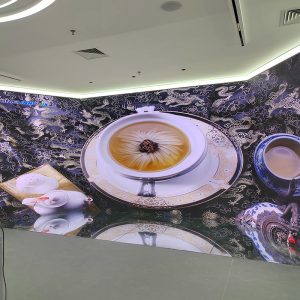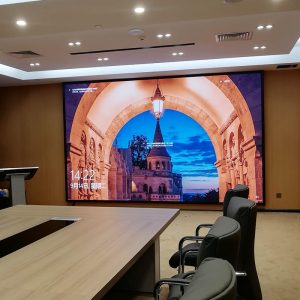
So, you’ve decided that an LED video wall is the right choice to captivate your audience. The next critical step is determining whether you need an indoor LED display or an outdoor LED display. While the core technology is similar, their design and specifications are vastly different to suit their environments.
Choosing the wrong type can lead to poor visibility, hardware failure, and a wasted investment. Here’s how to make the right choice.
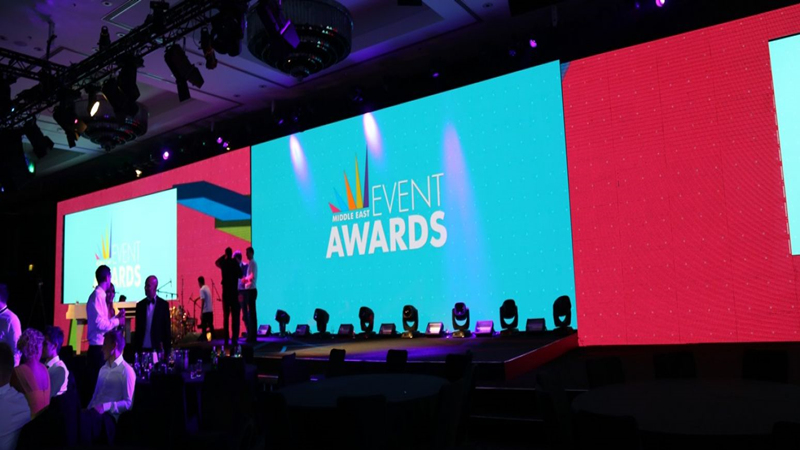
1. Viewing Distance and Pixel Pitch: The Resolution Factor
This is the most important technical consideration.
- Indoor LED Displays: viewers are often only a few feet or meters away. This requires a much finer pixel pitch (e.g., P1.2, P1.5, P1.8, P2.5) to ensure a smooth, high-resolution image without visible pixels. Think of it as the “Retina display” of the video wall world.
- Outdoor LED Displays: viewers can be hundreds of feet away. A larger pixel pitch (e.g., P4, P5, P6, P8, P10) is perfectly adequate, as the viewing distance makes the individual pixels blend together. This also makes the outdoor LED screen more cost-effective for large areas.
2. Brightness and Anti-Glare: Combating the Sun
- Indoor LED Screens: Typically have a brightness level between 800 to 1,500 nits. This is ideal for controlled lighting environments and is comfortable for prolonged viewing.
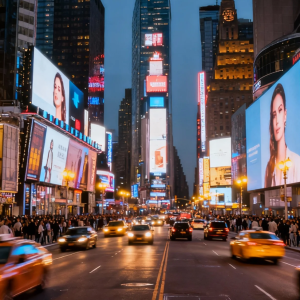
- Outdoor LED Billboards: Must fight direct sunlight. These are high-brightness LED displays, ranging from 5,000 to over 10,000 nits. They also often feature anti-glare treatment on the surface to improve clarity on bright days.
3. Durability and Protection: Built for the Elements
- Indoor LED Panels: Need basic protection against dust. An IP43 rating is often sufficient for most indoor applications.
- Outdoor LED Modules: Must be fully weatherproof. They require a high IP rating (typically IP65 or IP67), meaning they are completely protected against dust and can withstand low-pressure jets of water from any direction. They are built with robust materials to handle rain, wind, humidity, and extreme temperatures.
4. Maintenance and Accessibility
- Indoor Video Walls: are generally easier to access for routine maintenance or troubleshooting.
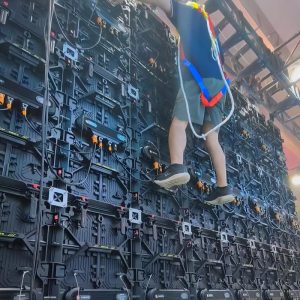
- Outdoor Digital Signage: often requires specialized equipment (like cherry pickers) for access, making reliability and easy module replacement even more critical.
Summary: Which is Best for You?
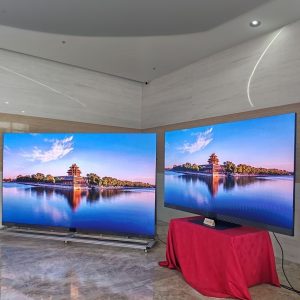
- Choose an Indoor LED Video Wall if: Your application is for corporate lobbies, control rooms, conference halls, retail stores, broadcast studios, or museums. Prioritize fine pixel pitch and standard brightness.
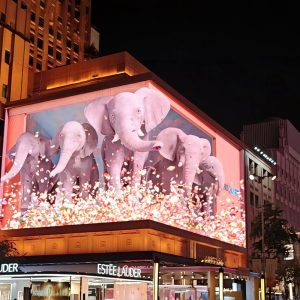
- Choose an Outdoor LED Video Wall if: Your application is for digital billboards, stadiums, grand openings, building facades, or transportation hubs. Prioritize high brightness, weatherproofing, and a pixel pitch suited for long-distance viewing.
Still unsure about the best LED display for your project? The experts at Vniceled can guide you through the entire process—from specification and design to installation and support. Get your free project assessment today!